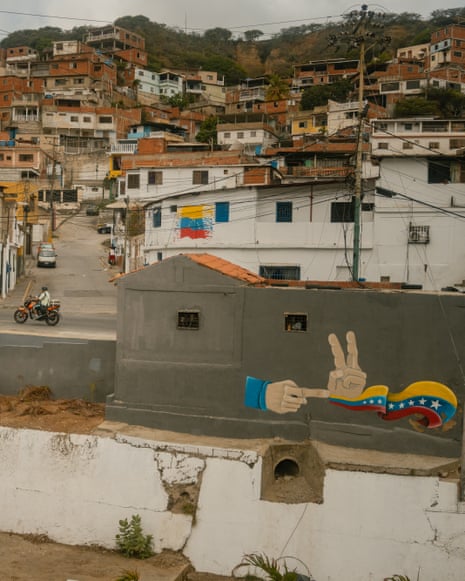
When Ángel Linares heard a strange buzz followed by an explosion, his first thought was that neighbours were setting off fireworks to celebrate the new year.
Then his windows shattered, the building’s walls shook and its facade was ripped off, sending him flying on to the ground of an apartment suddenly reduced to rubble. His 85-year-old mother, Jesucita, feared Venezuela’s northern coast had been devastated by an earthquake, like the one she remembers from 1967.
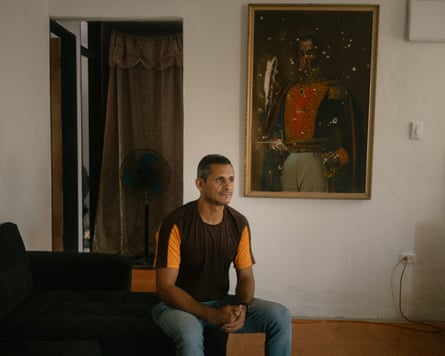
Next door, Elizabeth Herrera jumped out of bed in her pyjamas and realised something more sinister was afoot when the police arrived and told them to evacuate. A gas explosion had ripped through the building, killing at least 52 people and injuring dozens more in the coastal town of Catia La Mar, west of Caracas.
The tragedy, in January 2025, was a stark reminder of the decay afflicting Venezuela’s infrastructure after years of economic crisis and political turmoil. But for many residents, the disaster also underscored a deeper reality: despite the dramatic capture of Nicolás Maduro by US forces in 2024, life in Venezuela has changed little.
“It feels like an illusion,” said Linares, 48, a former security guard who now works as a motorcycle taxi driver. “We thought things would change, but they haven’t.”
The US operation, ordered by President Donald Trump, removed Maduro from power and installed an interim government. Yet the Chavista movement, founded by Hugo Chávez, remains deeply entrenched. Many state institutions, including the military and the judiciary, still answer to loyalists. The economy, battered by sanctions and mismanagement, continues to struggle. Hyperinflation has eased, but poverty and emigration persist.
“The same people are in charge, just with different faces,” said Herrera, 52, a teacher. “We need real change, not just a change of names.”
In Catia La Mar, the gas explosion left a gaping hole in the neighbourhood. Survivors have rebuilt some homes, but many remain in temporary shelters. The government has promised compensation, but few have received it.
“We are still waiting,” said Linares, pointing to cracks in his rebuilt apartment. “The system is broken.”
For some, the US intervention brought hope. “I thought it was the end of the nightmare,” said María Rodríguez, 35, a shopkeeper. “But the nightmare continues.”
The interim government, led by opposition figure Juan Guaidó, has struggled to assert control. The military, long a pillar of Chavismo, has resisted reforms. Meanwhile, Trump’s administration has focused on other priorities, leaving Venezuela in limbo.
“It’s a strange situation,” said David Smilde, a Venezuela expert at the Washington Office on Latin America. “The US removed the top leader, but the system he built is still standing. It’s like cutting off the head of a snake that has many heads.”
Back in Catia La Mar, Linares is philosophical. “We have to keep going,” he said. “But it’s hard to believe in change when nothing changes.”