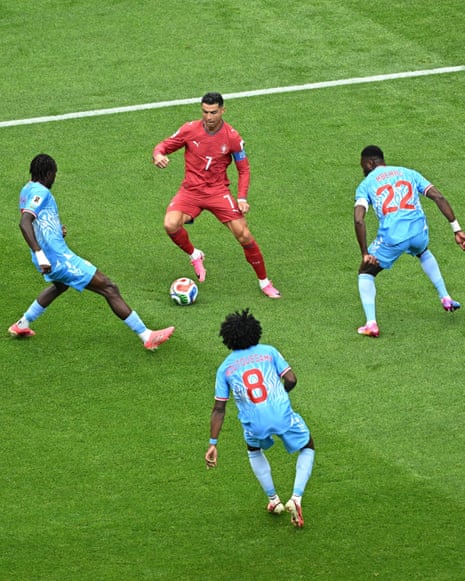
When 40-year-old Luka Modrić lined up for Croatia against England on Wednesday evening, he embodied a growing trend in elite sport. A generation ago, a footballer competing at the highest level at 40 would have been a rarity, but the 2026 World Cup features a record eight players aged at least 40 – more than all previous tournaments combined.
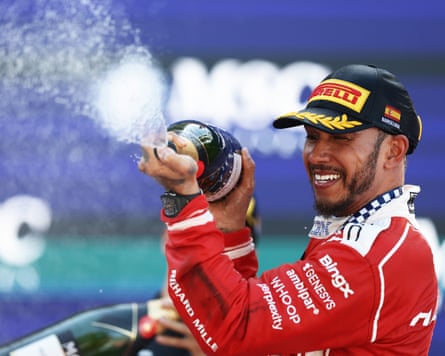
It’s not just football. Lewis Hamilton is still competing in Formula One aged 41, while earlier this week Wimbledon granted Serena Williams, 44, and Venus Williams, 46, a wildcard into the women’s doubles draw.
Across sport, careers that once seemed impossibly long are becoming increasingly common.
But are athletes really getting better with age, or have they just become better at managing the ageing process?
According to a report by the Centre of Excellence in Population Ageing Research, elite athletes really are getting older.
Since 1992, the average age of Olympians has increased by about two years, from 25 to 27. In football, the average age of top male players increased from 26 in 1990 to 27 in 2018, while for female players it increased from 23 to 26 over the same period.
However, this doesn’t necessarily mean athletes are peaking later. Instead, it could simply be that they are remaining competitive for longer.
“Athletes don’t stop ageing,” said Dr Liam Anderson, an exercise physiologist at the University of Birmingham. “What sports science has done is help them slow the rate of decline and maximise what they have left. When that is combined with decades of experience and tactical understanding, we’re increasingly seeing athletes remain competitive much later into their careers.”
Some sports, and some positions within sports, are more resistant to ageing than others. In football, goalkeepers tend to have the longest careers, followed by defenders and midfielders, while forwards often show the earliest decline.
Ageing affects almost every physiological system, but it doesn’t affect them equally.