‘The Antarctic is the last frontier’: the quest to save Shackleton’s Endurance
👁 0
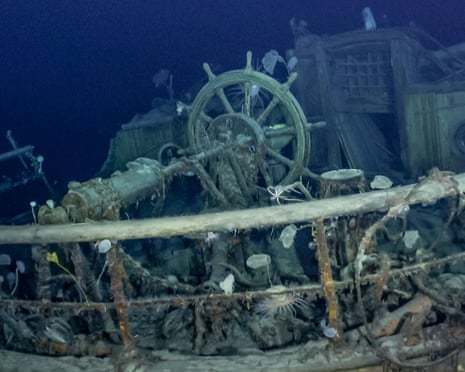
The ship's wheel and the stern of the Endurance seen intact under the sea with different creatures on the rails, chains and cables
The Antarctic seabed’s near-freezing conditions have helped keep the wreck intact for more than a century, providing a reef for wildlife. But that is likely to change as the oceans warm, with a wood-eating lobster possibly colonising the wreck. Photograph: Falklands Maritime Heritage Trust/National Georgraphic/PA
Seascape: the state of our oceansOceans

‘The Antarctic is the last frontier’: the quest to save Shackleton’s Endurance

Amid fears the wreck will be more accessible to explorers – and new species – as the climate warms, conservationists want to create the region’s first underwater protected area

Seascape: the state of our oceans is supported by
theguardian.org
About this content
Karen McVeigh
Karen McVeigh
Mon 15 Jun 2026 08.00 CEST
Share
Prefer the Guardian on Google

The harsh temperatures, treacherous currents and shifting pack ice of the Antarctic’s Weddell Sea, which crushed and sank his ship, Endurance,

💬 Yorumlar (0)

Yorum Yaz

Yorumunuz onaydan sonra yayınlanır.

Henüz yorum yok. İlk yorumu siz yazın.